
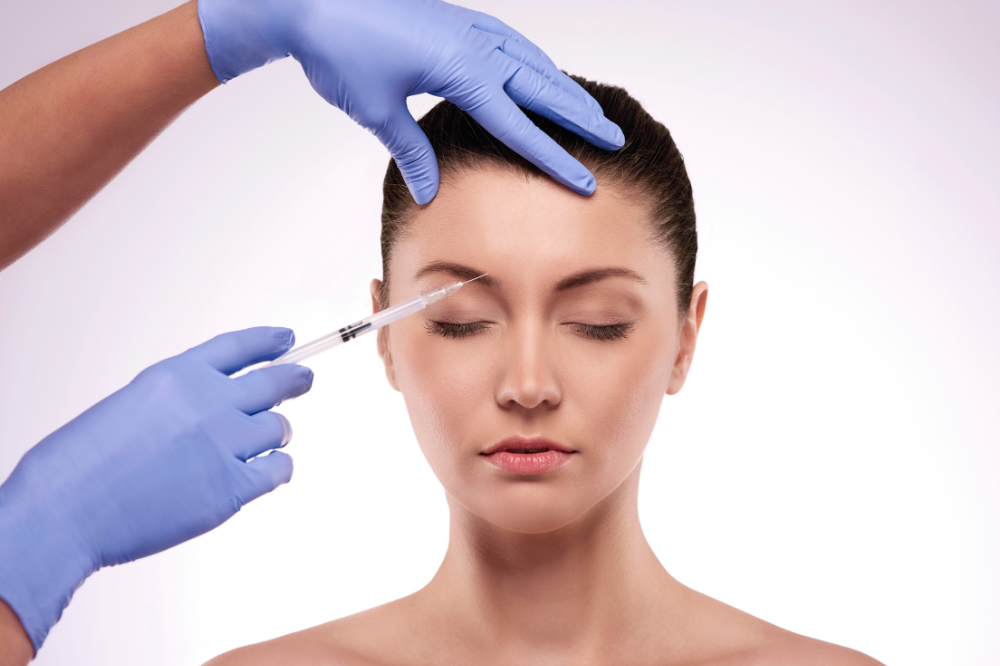
 Have you ever observed an unusual change in your forehead after being administered Botox, and have you been wondering if the change is a regular occurrence during the healing process? The administration of forehead Botox treatment in Calgary can have some temporary occurrences as the affected muscles adjust to the procedure, such as redness, sensitivity, swelling, and bruising. However, certain symptoms shouldn’t be disregarded.
Understanding which reactions are commonly expected and which signs may require professional advice can help you know what to watch for and when to seek guidance after treatment.
What Side Effects Can Happen After Forehead Botox?
Botox temporarily relaxes the muscles in the treated area. Since it reduces muscle movement, your forehead may look or feel slightly different for a short time.
Some common effects may include:
- Mild redness where the injections were given
- Small amounts of swelling
- Mild soreness or sensitivity
- Small bruises
- A feeling of tightness
- Mild headache
These effects are usually temporary. How long they last and how noticeable they are can vary from person to person.
How Long Do Normal Side Effects Last?
With Botox near you, minor treatment-related effects may settle as the area recovers. Small amounts of redness or swelling may improve relatively quickly, while bruising can take longer to fade.
The treated area may also feel different before the final effect becomes clear. Botox does not produce its full effect immediately, so changes may continue to develop over the following days.
Avoid judging the final result too soon after treatment.
Is a Heavy or “Frozen” Forehead a Normal Side Effect?
A feeling of heaviness or reduced forehead movement can occur after Botox because the treatment is designed to reduce activity in specific muscles. However, a very heavy or noticeably “frozen” appearance may indicate that the effect is stronger than desired.
A temporary change in movement does not automatically mean something is wrong. The amount of movement reduction depends on factors such as the treatment area, amount used, and individual response.
If heaviness is severe, continues longer than expected, or is causing concern, contact the treatment provider for guidance.
Can Botox Cause Uneven Eyebrows?
Temporary changes in eyebrow position or movement can sometimes occur after forehead treatment. This may make one eyebrow appear higher or lower than the other.
Small differences may become more noticeable as the Botox effect develops. The final appearance can change as the treatment settles.
An uneven appearance should be discussed with the provider if it is significant or does not improve as expected.
What Symptoms Are Usually Less Concerning?
Some mild symptoms after treatment are generally easier to manage and may improve without additional treatment.
These can include:
- Slight tenderness around injection points
- Mild swelling
- Small bruises
- A temporary tight feeling
- Mild headache
Following the aftercare instructions provided by the treatment professional can help support normal recovery.
When Should You Contact Your Provider After Treatment?
The question “When should you contact your provider after treatment?” is important because not every reaction should be watched at home.
Contact the treatment provider if there is:
- Significant or worsening swelling
- Severe or persistent pain
- A major change in eyelid or eyebrow position
- Increasing redness or warmth around an injection area
- Symptoms that concern you or are getting worse
- A result that seems very different from what was discussed
Prompt advice can help determine whether the symptoms are part of the expected recovery or need further assessment.
What Symptoms Need Urgent Medical Attention?
Serious reactions are rare, but some symptoms need quick medical care. Get urgent help if you have trouble breathing, difficulty swallowing, severe weakness, major vision problems, or symptoms that affect areas beyond where Botox was given.
These symptoms are not considered routine cosmetic treatment effects and require prompt medical evaluation.
How Can Side Effects Be Reduced?
Choosing a trained and qualified provider and following their treatment and aftercare instructions can help lower the risk of problems.
Before treatment, tell your provider about:
- Any medicines or supplements you take
- Any past Botox or similar treatments
- Any allergies or previous reactions
- Any health conditions you have
- Any problems you had after past cosmetic injections
Sharing this information helps your provider decide if Botox is right for you and plan the treatment based on your needs.
What Should You Expect From Forehead Botox Treatment?
When considering forehead Botox treatment near you, a consultation should take place before treatment. The treatment area can be assessed, goals can be discussed, and possible side effects can be explained.
The amount and placement of Botox should be based on the individual’s facial muscles and desired outcome rather than using the same approach for everyone.
A professional assessment also provides an opportunity to ask questions about recovery, expected changes, and when to seek help.
Know What to Expect After Treatment!
Are you concerned about a change after forehead Botox or unsure whether a symptom is part of the normal recovery process? A professional assessment can help evaluate the treated area, explain what may be expected, and determine whether additional care is needed. Book an appointment with Totally Botox to discuss your concerns and receive personalized guidance about your treatment and aftercare.
FAQs
Can a mild headache happen after forehead Botox?
Yes. A mild headache can occur after treatment. Persistent, severe, or unusual headaches should be discussed with a healthcare professional.
Can forehead Botox cause temporary swelling?
Yes. Small amounts of swelling around injection sites can occur. Increasing or significant swelling should be assessed.
Does less forehead movement mean something is wrong?
Not necessarily. Reduced muscle movement is part of how Botox works. However, excessive heaviness or an unwanted frozen appearance should be discussed with the provider.
Can eyebrow position change after Botox?
Yes. Changes in muscle activity can sometimes affect eyebrow movement or position. The treatment provider should review any significant or concerning change.