
If you clench your jaw or grind your teeth while sleeping, you know how uncomfortable jaw tension can become. You might wake up with soreness, experience headaches, or notice that your jaw feels tired throughout the day. People experiencing jaw tension and teeth grinding may explore Botox for TMJ grinding in NE Calgary as one option for managing these concerns. However, before considering treatment, it’s reasonable to wonder whether relaxing the jaw muscles could affect your smile or make chewing more difficult. Understanding how Botox works, its possible side effects, and what to expect can help you have a more informed conversation with a qualified provider.
How Does Botox Work for TMJ?
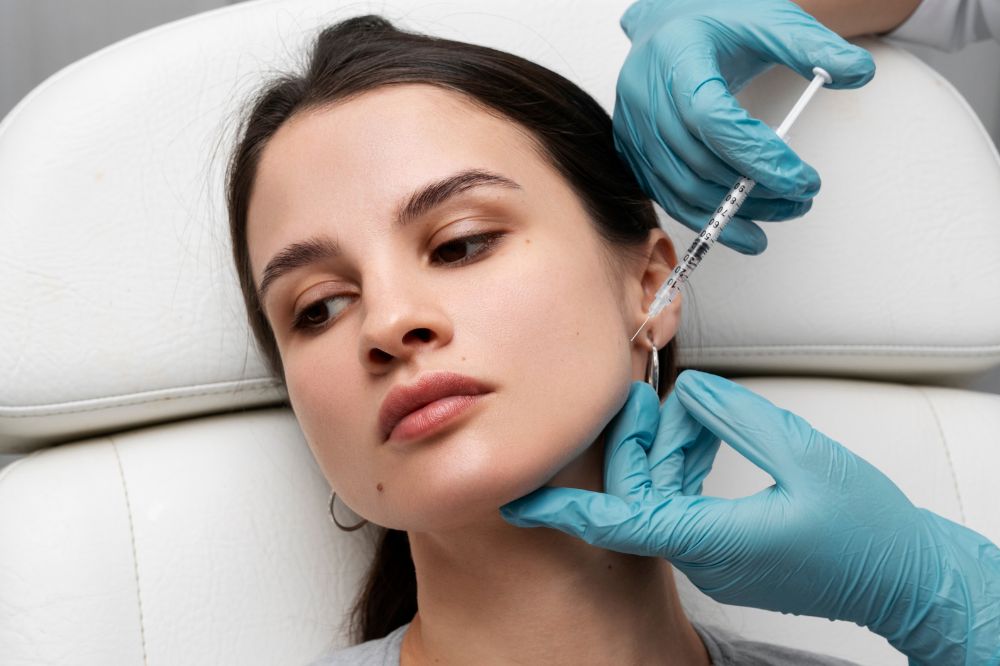
Botox temporarily reduces activity in specific muscles. For people who clench or grind their teeth, injections may target the masseter muscles along the sides of the jaw and, in some cases, the temporalis muscles near the temples.
These muscles help you bite and chew. Reducing their activity may ease some jaw tension, although results vary, and Botox does not address every possible cause of TMJ-related discomfort. It may also be used alongside other approaches, such as a night guard or other recommended care.
Can Botox for TMJ Change Your Smile?
Your smile depends on several muscles around your mouth and cheeks. Since TMJ injections typically target jaw muscles, noticeable changes to your smile are not inevitable.
Still, there may be temporary asymmetry due to the impact on nearby muscles or spreading of the product. Some people also notice a gradual change in the contour of their lower face because their masseter muscles may shrink from repeated treatment.
These effects vary from person to person. If you’re considering Botox near you, ask your provider how injection placement and dosage may influence your facial movements.
Could Chewing Become More Difficult?
The masseter muscles are used for chewing, so relaxing them may cause your jaw to feel weaker or tire more quickly. You may experience this when chewing steak, nuts, crusty bread, and other hard-to-chew foods.
Some people experience little change, while others need time to adjust. If chewing becomes noticeably difficult or the weakness interferes with everyday meals, contact your treating provider for guidance.
Is Botox for TMJ Safe?
Botox is generally well tolerated when administered by a qualified, licensed professional, but it is not risk-free or appropriate for everyone. Your medical history, medications, and existing health conditions should be reviewed before treatment.
When researching Botox for TMJ grinding near you, ask about the provider’s training, the muscles being treated, and the potential benefits and limitations.
What are the Side Effects of Botox for TMJ?
Possible side effects include injection-site soreness, redness, bruising, headache, temporary jaw weakness, and changes in facial symmetry. The likelihood and duration of these effects vary.
Seek urgent medical attention if you develop difficulty breathing or swallowing, or widespread muscle weakness after treatment.
Frequently Asked Questions
How long do the effects last?
Botox effects commonly last around three to four months, although the duration varies. Muscle activity gradually returns as the treatment wears off, and any decision about repeat injections should be discussed with your provider.
Can Botox replace a night guard?
Not necessarily. Botox and night guards serve different purposes, and one does not automatically replace the other. A dental professional can explain whether a night guard or another approach may be appropriate for your grinding habits.
Understanding Your Options
Botox may help some people manage jaw clenching, but possible changes to chewing strength and facial movement deserve consideration. If you’re exploring Botox in NE Calgary, Totally Botox can help you learn more about treatment considerations and discuss your questions with a qualified provider.
Contact Totally Botox at (403) 278-0622 or request an appointment online to discuss your concerns and explore your options.